
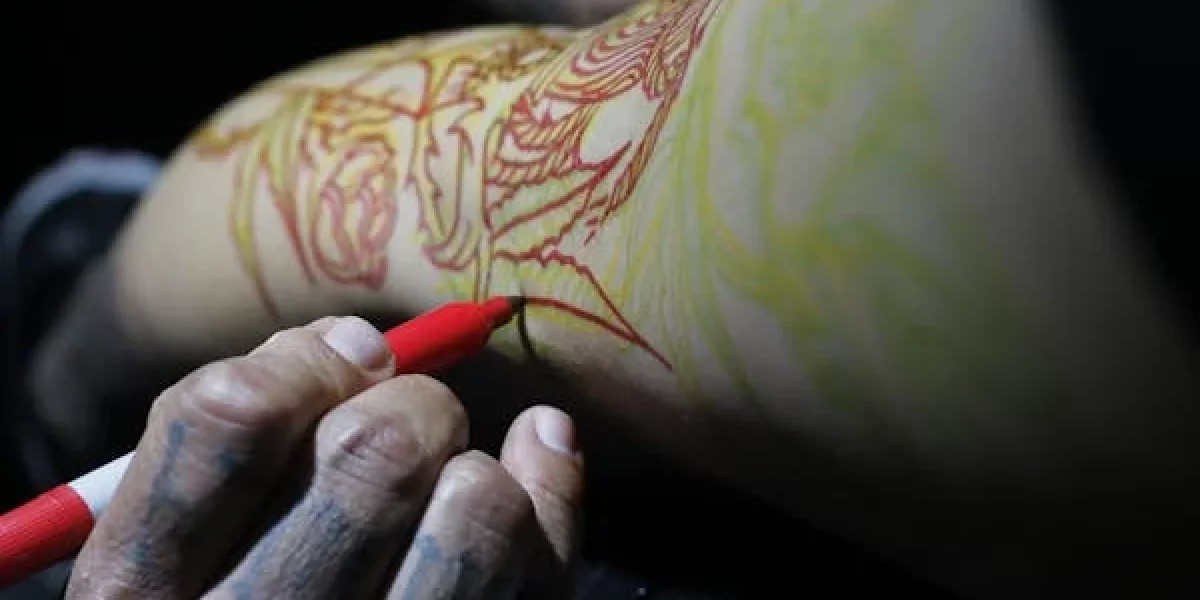
In a world where personal expression and individuality are increasingly valued, traditional forms of adornment are evolving. High-end jewelry, once a symbol of wealth and status, is gradually giving way to custom tattoos as a preferred form of self-expression and artistry. This shift reflects broader cultural changes, where people seek deeper meaning in their adornments and prioritize personal narratives over material possessions. This blog post explores how custom tattoos are replacing high-end jewelry sales, examining the reasons behind this trend and what it signifies for the future of personal adornment.
The Evolution of Personal Adornment
A Historical Perspective
For centuries, jewelry has been a primary form of adornment, signifying status, wealth, and cultural identity. Ancient civilizations used jewelry as a symbol of power and prestige, and it often served ceremonial and religious purposes. From the ornate goldsmithing of the Egyptians to the intricate beadwork of Indigenous cultures, jewelry has always held significant meaning.
In contrast, tattoos have a different historical context. They were often used for rites of passage, tribal identification, and even medicinal purposes in various cultures. However, tattoos were also stigmatized in many societies, seen as marks of rebellion or criminality.
The Modern Shift
In recent years, the perception of tattoos has changed dramatically. No longer viewed solely as symbols of rebellion, tattoos have become a mainstream form of self-expression, embraced by people from all walks of life. As tattoos gain acceptance, they are increasingly recognized as unique, personal works of art, capable of telling stories and celebrating individual experiences. This cultural shift has coincided with a decline in the allure of high-end jewelry, particularly among younger generations.
The Appeal of Custom Tattoos
Personalization and Meaning
One of the primary reasons custom tattoos are gaining popularity over high-end jewelry is their deep personalization. A custom tattoo allows individuals to create a unique piece of art that reflects their personal experiences, beliefs, and aspirations. This level of personalization is often lacking in mass-produced jewelry, where items are designed for the general consumer rather than tailored to individual stories.
For example, a tattoo commemorating a significant life event, such as the birth of a child or the loss of a loved one, carries profound emotional weight. It transforms a mere decorative item into a meaningful symbol of a person’s journey. High-end jewelry, while often beautiful, can sometimes lack this personal connection, leading many to seek tattoos as a more authentic form of self-expression.
Artistic Expression
Custom tattoos provide a platform for artistic expression that high-end jewelry simply cannot match. Tattoo artists are skilled in various styles, from realism to abstract art, and can translate a client’s vision into a unique design on their skin. This collaboration between the client and the artist results in a one-of-a-kind piece that reflects the individual’s aesthetic preferences and personal story.
Moreover, tattoos can be large or small, intricate or minimalist, allowing for endless possibilities in design. The ability to express oneself through art on one’s body resonates with those who prioritize creativity and uniqueness in their self-adornment. In contrast, high-end jewelry, despite its craftsmanship, often adheres to traditional designs and trends, which can feel less innovative.
Cultural Significance
Tattoos also carry cultural significance that can resonate deeply with individuals. Many people choose tattoos that reflect their heritage, spirituality, or cultural identity. For example, Polynesian tribal tattoos, Japanese Irezumi, or Celtic designs often symbolize connection to ancestry and tradition. This cultural aspect can provide a sense of belonging and identity that high-end jewelry may not offer.
In an era where cultural appreciation is valued, tattoos allow individuals to celebrate their roots and express their cultural identity in a visible and meaningful way. This aspect of tattoos contributes to their growing appeal, especially among younger generations seeking to connect with their heritage.
The Economic Factors
Changing Consumer Priorities
As society evolves, so do consumer priorities. The younger generations, particularly millennials and Gen Z, are shifting away from traditional luxury goods and toward experiences and self-expression. These groups often value experiences over material possessions, leading to a decrease in high-end jewelry sales.
For many, getting a custom tattoo is seen as an experience—one that involves collaboration, creativity, and personal meaning. This experiential aspect aligns with the preferences of younger consumers, who are more likely to invest in experiences that foster personal growth and self-discovery rather than accumulate material goods.
Affordability and Accessibility
Custom tattoos can also be more accessible than high-end jewelry, which often comes with a hefty price tag. While some tattoos can be expensive, many are relatively affordable compared to luxury jewelry items that can cost thousands or even tens of thousands of dollars.
Moreover, the tattoo industry has grown significantly, with numerous talented artists offering their services at various price points. This accessibility allows a broader range of individuals to partake in body art, making it an appealing alternative to high-end jewelry.
Social Media Influence
The Role of Social Media in Shaping Trends
In today’s digital age, social media plays a crucial role in shaping consumer trends and preferences. Platforms like Instagram and TikTok have become hotspots for showcasing body art, with artists and enthusiasts sharing their work and experiences. This visibility has contributed to the normalization of tattoos and their acceptance as a form of art.
Social media also allows individuals to explore different tattoo styles, discover talented artists, and connect with communities of tattoo lovers. The viral nature of tattoo-related content has made custom tattoos more appealing, especially to younger audiences. In contrast, high-end jewelry often relies on traditional advertising methods that may not resonate with the current generation.
Influencer Culture
The rise of influencer culture has further accelerated the popularity of tattoos. Many celebrities and influencers proudly display their tattoos on social media, showcasing them as a form of personal expression. Their visibility helps to challenge the stigma surrounding tattoos and presents them as fashionable and desirable.
This shift in perception has led many individuals to seek tattoos as a way to emulate their favorite public figures. The desire to express oneself like a beloved influencer can drive the demand for custom tattoos, creating a cultural shift away from traditional luxury items like high-end jewelry.
The Emotional Connection
Tattoos as a Form of Healing
For many, tattoos serve as a powerful form of healing and self-empowerment. Individuals who have experienced trauma, loss, or significant life changes often find solace in getting a tattoo that symbolizes their journey. These tattoos can serve as reminders of strength and resilience, offering comfort during difficult times.
This emotional connection is often deeper than what high-end jewelry can provide. While jewelry can hold sentimental value, it typically lacks the same level of personal significance that a carefully chosen tattoo can carry. The act of getting tattooed can be cathartic, allowing individuals to reclaim their bodies and narratives in a way that material possessions cannot.
The Bond Between Artist and Client
The relationship between a tattoo artist and their client is often intimate and collaborative. The process of designing and creating a custom tattoo involves open communication, trust, and vulnerability. This bond can lead to meaningful connections that extend beyond the tattoo itself.
In contrast, the experience of purchasing high-end jewelry can feel transactional and impersonal. While clients may appreciate the craftsmanship of jewelry, the lack of a personal connection can lead to a diminished sense of value. The collaborative nature of tattooing fosters a deeper appreciation for the final product, reinforcing the emotional significance of the piece.
Changing Cultural Norms
The Normalization of Tattoos
As tattoos become more mainstream, societal norms surrounding body art are shifting. Once seen as taboo or associated with subcultures, tattoos are now widely accepted and celebrated across various demographics. This normalization has led to a surge in interest, with many individuals eager to embrace tattoos as a form of self-expression.
In contrast, high-end jewelry remains associated with traditional ideas of wealth and status, which can feel outdated to some. As society evolves, the desire for personal expression and authenticity is taking precedence over material displays of wealth, making custom tattoos a more appealing choice for many.
Tattoos as Fashion Statements
Tattoos are increasingly being recognized as fashion statements. Influencers and celebrities often showcase their body art as an extension of their personal style, demonstrating that tattoos can enhance one’s aesthetic. This perspective shifts the narrative around tattoos from being merely a form of self-expression to a legitimate fashion choice.
As tattoos become integral to contemporary fashion, they are increasingly seen as a statement of individuality. This trend further solidifies their position as a preferred alternative to high-end jewelry, which may not carry the same level of personal significance.
The Future of Personal Adornment
Evolving Perspectives on Value
The shift from high-end jewelry to custom tattoos signifies a broader change in how individuals perceive value. As people prioritize personal expression and meaningful experiences, the worth of adornments is increasingly tied to emotional and artistic significance rather than monetary value.
This evolution challenges traditional notions of luxury, where high-end jewelry has long held a prominent position. Custom tattoos, with their unique artistry and personal stories, are carving out a new space in the realm of personal adornment.
The Role of Customization
As consumers continue to seek personalized experiences, the demand for custom tattoos is likely to grow. The ability to collaborate with artists to create unique designs tailored to individual stories will remain a strong draw for those looking to express themselves in meaningful ways.
This trend may also influence the jewelry industry, prompting designers to explore more personalized, customizable options. However, the deeply personal nature of tattoos is difficult to replicate, suggesting that tattoos will continue to hold a distinct place in the world of personal adornment.
Conclusion: A New Era of Adornment
In conclusion, the rise of custom tattoos as an alternative to high-end jewelry sales reflects a significant cultural shift in how individuals express themselves and assign value to their adornments. As tattoos gain acceptance and recognition as meaningful works of art